Maximizing Visibility and Readability for Outdoor Signs: A Comprehensive Guide for Businesses in Anaheim
Discover effective strategies to enhance the visibility and readability of your outdoor signs in Anaheim. Attract more customers today!
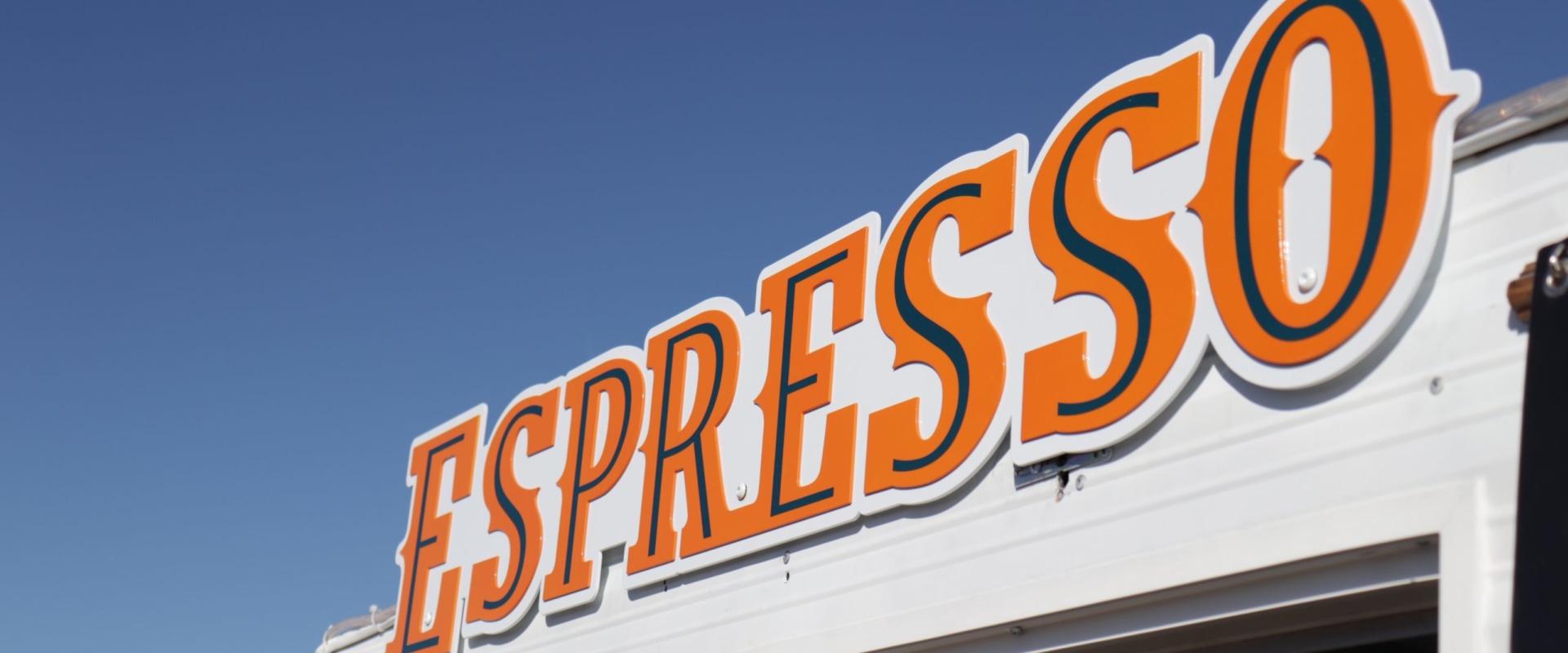
In the bustling landscape of modern commerce, outdoor signsoutdoor signs serve as a vital component of any effective marketing strategy. They are not merely decorative elements; they are powerful tools that can significantly influence a potential customer's decision-making process. When designed and placed strategically, outdoor signage can attract attention, convey essential information, and ultimately drive foot traffic to your business. In a city like Anaheim, where competition is fierce, partnering with an experienced anaheim sign company can make the difference between being noticed or overlooked. The benefits of outdoor signage extend beyond mere visibility. serve as a vital component of any effective marketing strategy. They are not merely decorative elements; they are powerful tools that can significantly influence a potential customer's decision-making process. When designed and placed strategically, outdoor signage can attract attention, convey essential information, and ultimately drive foot traffic to your business. In a city like Anaheim, where competition is fierce, partnering with an experienced anaheim sign company can make the difference between being noticed or overlooked. The benefits of outdoor signage extend beyond mere visibility.
A well-designed sign can enhance your brand's identity and create a lasting impression on passersby. It acts as a silent salesperson, communicating your brand message and values without the need for direct interaction. This is particularly important in today's fast-paced environment, where consumers are bombarded with countless messages daily. An eye-catching sign can cut through the noise and draw potential customers in, making them more likely to engage with your business. Moreover, outdoor signs play a crucial role in establishing credibility and professionalism.
A high-quality sign reflects the quality of your products or services and signals to customers that you take your business seriously. This perception can foster trust and encourage customers to choose your establishment over competitors. In essence, outdoor signage is not just about visibility; it is about creating an inviting atmosphere that encourages exploration and engagement. In summary, understanding the importance of outdoor signs is essential for any business looking to maximize its visibility and attract customers. By investing in effective signage, you are not only enhancing your brand's presence but also paving the way for increased customer interaction and sales opportunities.
Key Factors for Effective Outdoor Signage
Creating effective outdoor signage is a multifaceted process that requires careful consideration of several key factors.Each element plays a vital role in ensuring that your sign not only attracts attention but also communicates your message clearly and effectively. Below are the essential components to consider when designing your outdoor signs.
- Materials: The choice of materials is fundamental to the durability and visibility of your outdoor sign. Opt for weather-resistant materials such as aluminum, vinyl, or acrylic, which can withstand harsh environmental conditions. These materials not only enhance the longevity of your sign but also maintain its appearance over time, ensuring that it remains an effective marketing tool.
-
Colors: Color selection is crucial for maximizing visibility.
Use contrasting colors to create a striking visual impact. For instance, a dark background with light-colored text or vice versa can significantly improve readability from a distance. Additionally, consider incorporating your brand colors to maintain consistency and strengthen brand recognition.
-
Fonts: The font you choose can greatly influence how easily your message is understood. Stick to clear and legible fonts that are easy to read from afar.
Avoid overly decorative fonts that may detract from the message. A good rule of thumb is to use no more than two different fonts on a single sign to maintain clarity and cohesion.
- Placement: The location of your outdoor sign is just as important as its design. Ensure that it is positioned in a spot where it can be easily seen by your target audience, free from obstructions like trees or buildings. Consider high-traffic areas where potential customers are likely to pass by, and think about the direction of traffic flow to maximize exposure.
Remember, an effective sign is one that resonates with viewers and encourages them to take action, whether that's visiting your business or learning more about your offerings.
Choosing the Right Materials for Your Outdoor Signs
When it comes to creating outdoor signs, selecting the right materials is essential for ensuring that your signage remains effective over time. The materials you choose will directly impact the sign's durability, weather resistance, and overall legibility. Here are some of the best options to consider:-
Aluminum: This is one of the most popular choices for outdoor signs due to its lightweight nature and exceptional durability. Aluminum is resistant to rust and corrosion, making it ideal for various weather conditions.
Additionally, it can be easily printed on, allowing for vibrant colors and clear graphics.
- Vinyl: Vinyl is a versatile material that can be used for banners and decals. It is waterproof and can withstand UV rays, which helps prevent fading over time. Vinyl signs are also easy to install and can be cut into various shapes and sizes, making them a flexible option for businesses.
-
Acrylic: Acrylic signs offer a sleek and modern look while being highly durable. They are resistant to shattering and can maintain clarity even in harsh weather conditions.
Acrylic can be used for both indoor and outdoor applications, making it a great choice for businesses looking to create a cohesive branding experience.
- Wood: For a more rustic or traditional appearance, wood can be an excellent choice. However, it requires proper treatment to withstand the elements. Pressure-treated wood or marine-grade plywood can enhance durability, but regular maintenance is necessary to prevent rot and warping.
- Coroplast: This corrugated plastic material is lightweight and cost-effective, making it ideal for temporary signs or yard signs. Coroplast is waterproof and resistant to fading, but it may not be as durable as other materials for long-term use.
For instance, if your sign will be exposed to heavy rain or strong winds, opt for materials that are known for their resilience in such conditions. Additionally, ensure that the materials you choose allow for clear visibility from a distance; this means selecting options that maintain legibility even in bright sunlight or low-light situations. Ultimately, investing in high-quality materials will not only enhance the longevity of your outdoor signs but also ensure that they effectively communicate your message to potential customers. By choosing wisely, you can create signage that stands out in Anaheim's competitive landscape.
Utilizing Color Contrast for Maximum Impact
When it comes to outdoor signage, color contrast plays a pivotal role in ensuring that your message is not only seen but also understood quickly. The right combination of colors can significantly enhance the visibility of your sign, making it stand out in a crowded environment.Here are some key considerations for utilizing color contrast effectively:
- Understanding Color Theory: Familiarize yourself with basic color theory to make informed choices. Colors opposite each other on the color wheel, known as complementary colors, create strong contrast. For instance, blue and orange or red and green can be effective combinations for signage.
-
Background and Text Pairing: The most effective signs often feature a dark background with light text or vice versa. This not only enhances readability but also draws attention.
For example, a black background with white or yellow text is highly visible during both day and night.
- Brand Consistency: While focusing on contrast, ensure that your color choices align with your brand identity. Use your brand colors as a base and select contrasting shades that complement them. This maintains brand recognition while enhancing visibility.
-
Avoiding Clutter: Too many colors can create visual chaos, making it difficult for viewers to focus on the message. Stick to two or three main colors to maintain clarity and impact.
This simplicity allows the viewer to absorb the information quickly.
- Testing Visibility: Before finalizing your design, test how your color choices look in different lighting conditions. What appears vibrant in daylight may not be as effective at dusk or under artificial lighting. Consider how shadows and reflections might affect visibility.
The Importance of Simplicity in Sign Design
When it comes to outdoor signage, simplicity is not just a design choice; it is a fundamental principle that can significantly enhance the effectiveness of your message.A clean and straightforward design allows your sign to communicate its purpose quickly and efficiently, which is crucial in a world where potential customers are often on the move and have limited time to absorb information. One of the primary reasons to prioritize simplicity in sign design is that it improves visibility. A cluttered sign can confuse viewers, making it difficult for them to discern the main message. By stripping away unnecessary elements, you create a focal point that draws attention and makes it easier for passersby to understand what you are offering. Here are some tips for achieving a clean sign design:
-
Limit Text: Use concise language and limit the amount of text on your sign.
Aim for a clear headline that conveys the core message, followed by minimal supporting information.
- Use White Space: Incorporate ample white space around your text and graphics. This not only enhances readability but also gives your sign a more polished and professional appearance.
- Choose One Main Image: If you decide to include images or graphics, select one strong visual element that represents your brand or message effectively. Avoid overcrowding the sign with multiple images.
- Consistent Font Usage: Stick to one or two fonts throughout your sign. This consistency helps maintain a clean look and ensures that your message is easily readable from a distance.
When designing your outdoor signage, consider the following:
- Prioritize Information: Determine what information is absolutely necessary for your audience to know. Eliminate any details that do not contribute directly to the main message.
- Test Readability: Before finalizing your design, test it by viewing it from various distances. Ensure that even at a glance, the essential information is clear and legible.
- Seek Feedback: Share your design with others to gather feedback on its clarity and effectiveness. Sometimes, an outside perspective can highlight areas of clutter you may have overlooked.
By focusing on clean designs, limiting text, utilizing white space, and prioritizing essential information, you can create impactful signs that effectively communicate your brand's message without overwhelming viewers.
Selecting Fonts That Enhance Readability
When it comes to outdoor signs, the choice of font plays a pivotal role in ensuring that your message is conveyed effectively. A well-selected font not only enhances the aesthetic appeal of your sign but also significantly improves its readability. Here are some essential tips for selecting fonts that will enhance the overall effectiveness of your outdoor signs.Prioritize Clarity
The primary goal of any outdoor sign is to communicate a message quickly and clearly. Therefore, it is crucial to choose fonts that are easy to read from a distance.Avoid overly decorative or intricate fonts that may look appealing up close but become illegible when viewed from afar. Instead, opt for sans-serif fonts , which are known for their clean lines and straightforward appearance. Examples include Arial, Helvetica, and Futura.
Consider Font Size
The size of your font is just as important as the style. A larger font size will naturally be more visible from a distance, making it easier for passersby to read your sign.As a general rule, ensure that the text is at least 1 inch tall for every 10 feet of viewing distance. For instance, if your sign will be viewed from 50 feet away, aim for a font size of at least 5 inches.
Limit Font Variations
Using too many different fonts on a single sign can create visual clutter and confusion. Stick to one or two complementary fonts to maintain a cohesive look. For example, you might use a bold sans-serif font for the main message and a lighter version of the same font for additional information.This approach not only enhances readability but also reinforces brand identity.
Test for Visibility
Before finalizing your sign design, conduct visibility tests by printing out samples of your chosen fonts at various sizes. Place them in the intended location and observe how they appear under different lighting conditions and distances. This practical test can help you identify any potential issues with legibility.Utilize Contrast Wisely
The contrast between your font color and background is crucial for readability. Dark text on a light background or vice versa tends to be the most effective combination.Avoid using colors that blend into each other or create glare, as this can hinder visibility. By following these guidelines when selecting fonts for your outdoor signs, you can significantly enhance their visibility and effectiveness. Remember that the right font choice not only communicates your message but also reflects your brand's personality and professionalism.
Strategic Placement of Outdoor Signs
When it comes to outdoor signs, the strategic placement of your signage is paramount. Even the most beautifully designed sign can fail to attract attention if it is not positioned correctly. To maximize visibility and ensure that your signs are seen by potential customers, consider the following strategies:-
Understand Your Audience: Before deciding on a location, take time to analyze your target audience.
Consider where they are likely to be and what routes they take. For instance, if your business caters to families, placing signs near schools or parks may yield better results.
- High Traffic Areas: Position your outdoor signs in areas with high foot or vehicle traffic. Locations near busy intersections, shopping centers, or popular attractions can significantly increase visibility. The more people who see your sign, the higher the chances of attracting new customers.
-
Visibility from Multiple Angles: Ensure that your sign can be seen from various angles.
This may involve placing it at a height that is easily visible over obstacles like bushes or fences. Additionally, consider how the sign will be viewed by both pedestrians and drivers.
- Avoid Obstructions: When selecting a location for your sign, be mindful of any potential obstructions that could block visibility. Trees, buildings, or other signs can hinder the effectiveness of your outdoor signage. Conduct a thorough site assessment to identify any barriers.
-
Lighting Considerations: If your sign will be displayed during evening hours, ensure it is well-lit.
Proper lighting not only enhances visibility but also adds an element of safety for passersby. Consider using backlit signs or spotlights to illuminate your message.
Incorporating Technology into Outdoor Signage
In today's fast-paced world, incorporating technology into outdoor signage is not just an option; it's a necessity for businesses looking to stand out.Digital signage options have revolutionized the way companies communicate with their audience, offering dynamic and engaging content that can be updated in real-time. This section will delve into how businesses can leverage these modern sign solutions to enhance their visibility and customer engagement.
Digital Displays
- Versatility: Digital displays allow for a variety of content types, including videos, animations, and static images. This versatility enables businesses to showcase promotions, events, or important announcements in a visually appealing manner.
- Real-Time Updates: One of the most significant advantages of digital signage is the ability to update content instantly. Whether it's a flash sale or a change in operating hours, businesses can modify their messages without the need for physical alterations to the sign.
-
Targeted Messaging: With digital signage, businesses can tailor their messages based on time of day or audience demographics.
For instance, a restaurant might display breakfast specials in the morning and dinner promotions in the evening.
Interactive Elements
- Engagement: Incorporating interactive elements such as touch screens or QR codes can significantly enhance customer engagement. Customers can interact with the sign to learn more about products or services, leading to increased foot traffic and sales.
- Feedback Collection: Interactive signs can also serve as tools for gathering customer feedback. Businesses can use surveys or polls displayed on digital screens to gain insights into customer preferences and improve their offerings.
Modern Sign Solutions
In addition to digital displays and interactive elements, modern sign solutions include LED signs and projection mapping. LED signs are energy-efficient and provide bright visibility even in direct sunlight, making them ideal for outdoor use.
Projection mapping allows businesses to transform any surface into a dynamic display, creating an immersive experience that captures attention. In conclusion, integrating technology into outdoor signage not only enhances visibility but also fosters a deeper connection with customers. By utilizing digital displays, interactive elements, and other modern sign solutions, businesses can create impactful signage that resonates with their audience and drives engagement.
Measuring the Effectiveness of Your Outdoor Signs
Measuring the effectiveness of your outdoor signs is essential for understanding their impact on your business. By evaluating various performance metrics, you can determine whether your signage is successfully attracting customers and conveying your intended message. Here are some key methods to assess the effectiveness of your outdoor signs:-
Traffic Analysis: One of the most straightforward ways to measure sign effectiveness is by analyzing foot and vehicle traffic in the area.
Use tools like traffic counters or simply observe the number of people passing by your sign before and after its installation. A noticeable increase in traffic can indicate that your sign is drawing attention.
- Customer Feedback: Engaging with customers directly can provide valuable insights into how well your outdoor signs are performing. Consider conducting surveys or informal interviews to ask customers if they noticed your sign and what message it conveyed. This feedback can help you understand if your signage is clear and appealing.
-
Sales Metrics: Tracking sales data before and after the installation of your outdoor sign can reveal its effectiveness.
If you notice a significant uptick in sales coinciding with the sign's presence, it may be a strong indicator that the sign is working as intended.
- Social Media Engagement: In today’s digital age, social media can be a powerful tool for measuring sign effectiveness. Encourage customers to share photos of themselves with your sign on platforms like Instagram or Facebook. Monitor engagement levels, such as likes and shares, to gauge public interest in your signage.
- Competitor Comparison: Keep an eye on competitors in your area. If they have similar offerings but are not seeing the same level of customer engagement, it may suggest that your outdoor sign is more effective at attracting attention.
Regularly evaluating these metrics will not only help you assess current signage but also inform future design decisions, ensuring that your signs continue to resonate with potential customers.
Conclusion: Crafting Effective Outdoor Signs for Your Business in Anaheim
In summary, creating effective outdoor signs is a multifaceted process that requires careful consideration of various elements to ensure maximum visibility and readability. As we have explored throughout this article, the significance of outdoor signage cannot be overstated, especially for businesses in Anaheim where competition is fierce and first impressions matter. To recap, here are the essential components to keep in mind when designing your outdoor signs:- Material Selection: Choose durable and weather-resistant materials that can withstand the elements while maintaining their appearance. Options like aluminum, vinyl, and acrylic are excellent choices for longevity.
- Color Contrast: Utilize contrasting colors between the background and text to enhance visibility. A dark background with light text or vice versa can significantly improve readability from a distance.
-
Simplicity in Design: Avoid cluttering your sign with excessive information or graphics.
A clean and straightforward design allows your message to be conveyed quickly and effectively.
- Font Choice: Opt for clear and easy-to-read fonts that can be recognized from afar. Avoid overly decorative fonts that may detract from the sign's legibility.
- Strategic Placement: Position your sign in a location where it is easily visible to your target audience. Consider factors such as traffic flow and potential obstructions that could hinder visibility.
Take these insights into account as you work with a sign maker in Anaheim, ensuring that your signage stands out in a crowded marketplace.