Creating a Cohesive Environment for Indoor Signs: A Comprehensive Guide
Discover how cohesive indoor signs can elevate your brand identity and customer experience. Learn tips and strategies for effective signage.
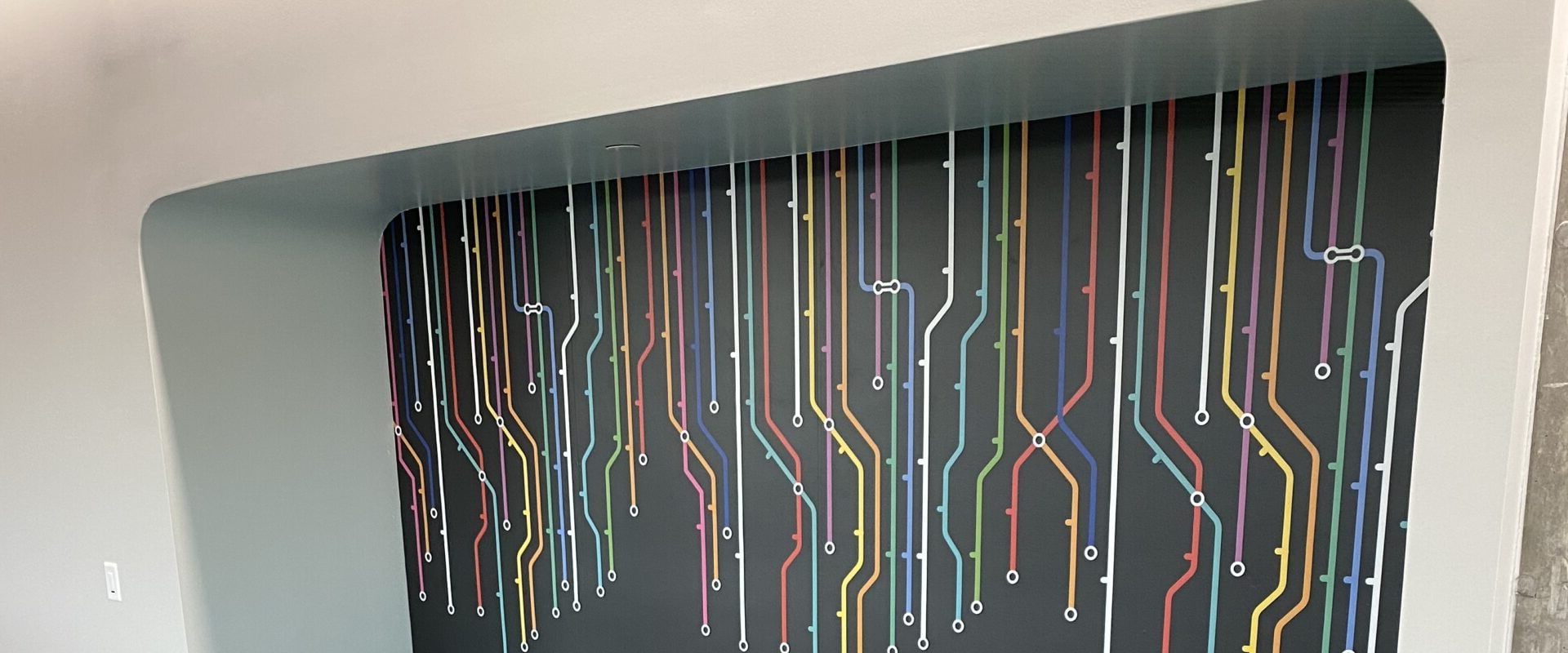
Indoor signs are more than just functional elements; they are vital components that shape the overall atmosphere of a space. In a world where first impressions matter, the significance of indoor signage cannot be overstated. These signs serve as visual cues that guide visitors, convey essential information, and reinforce brand identity. When designed thoughtfully, indoor signs contribute to a cohesive environment that resonates with customers and enhances their experience. Creating a cohesive environment through indoor signage involves more than simply placing signs around a space. Indoor signs are more than just functional elements; they are vital components that shape the overall atmosphere of a space. In a world where first impressions matter, the significance of indoor signage cannot be overstated. These signs serve as visual cues that guide visitors, convey essential information, and reinforce brand identity. When designed thoughtfully, indoor signs contribute to a cohesive environment that resonates with customers and enhances their experience. Creating a cohesive environment through indoor signage involves more than simply placing signs around a space.
It requires a strategic approach that aligns the design, colors, and messaging with the brand's values and aesthetic. For instance, a sign maker in Anaheim can help businesses select materials and styles that not only fit their branding but also complement the architectural features of their interiors. This alignment fosters a sense of unity and professionalism, making customers feel more comfortable and engaged. Moreover, effective indoor signage can significantly impact customer behavior. Well-placed signs can direct foot traffic, highlight promotions, or provide essential information about products and services.
By enhancing navigation and accessibility within a space, businesses can improve customer satisfaction and encourage longer visits. In essence, indoor signs are powerful tools that can transform an ordinary environment into an inviting and memorable experience.
The Role of Indoor Signs in Brand Identity
Indoor signs serve as a vital component of a business's brand identity, acting as visual ambassadors that communicate the essence of a brand to customers and visitors. When designed thoughtfully, these signs can significantly enhance brand recognition and create a unified look throughout a space.Design Elements
The design of indoor signs should align with the overall branding strategy of the business. This includes:
-
Logo Integration: Incorporating the company logo into indoor signage reinforces brand identity.
A well-placed logo can serve as a focal point, drawing attention and making the brand memorable.
- Color Schemes: Colors evoke emotions and can influence perceptions. Using a consistent color palette that reflects the brand's identity across all indoor signs helps create a cohesive environment. For instance, a calming blue might be suitable for a spa, while vibrant reds and yellows could energize a fast-food restaurant.
-
Typography: The choice of fonts plays a crucial role in conveying the brand's personality. A modern sans-serif font may suggest innovation and forward-thinking, while a classic serif font might evoke tradition and reliability.
Consistency in typography across all signage ensures that the brand voice remains clear.
Cohesive Branding
A cohesive branding strategy extends beyond just logos and colors; it encompasses the entire customer experience. Indoor signs should not only be visually appealing but also functional, guiding customers seamlessly through the space. For example, wayfinding signs that match the overall aesthetic can enhance navigation while reinforcing brand identity. Moreover, incorporating elements such as textures and materials that align with the brand can further strengthen this connection. A tech company might opt for sleek metal finishes, while an organic food store may choose natural wood textures to reflect their commitment to sustainability. In conclusion, indoor signs are more than mere informational tools; they are powerful branding assets that can shape perceptions and enhance customer experiences.
By focusing on design elements such as logos, color schemes, and typography, businesses can create an inviting atmosphere that resonates with their target audience and reinforces their brand identity.
Types of Indoor Signs and Their Functions
Indoor signs serve a multitude of purposes, each tailored to enhance the functionality and aesthetic of a space. Understanding the different types of indoor signs and their specific functions is essential for creating an effective signage strategy. Below, we categorize the primary types of indoor signs and delve into their unique roles.-
Wayfinding Signs : These signs are crucial for guiding individuals through complex environments. Commonly found in large facilities such as hospitals, universities, and shopping malls, wayfinding signs help visitors navigate their surroundings with ease.
They often include directional arrows, maps, and location indicators that assist in reducing confusion and improving the overall experience.
- Informational Signs : Informational signs provide essential details about a space or its offerings. They can include rules, regulations, or general information about services available. For instance, in a museum, informational signs might describe exhibits or provide context about artworks. These signs are vital for educating visitors and ensuring they have a comprehensive understanding of their environment.
-
Promotional Signs : Designed to attract attention and drive sales, promotional signs are often used in retail settings to highlight special offers, new products, or upcoming events.
These signs can take various forms, including banners, posters, and digital displays. Their primary function is to engage customers and encourage them to take action, whether that’s making a purchase or attending an event.
-
Safety Signs : Safety signs are essential for maintaining a secure environment. They communicate important warnings about potential hazards and provide instructions for safe behavior. Common examples include fire exit signs, emergency procedure instructions, and health-related advisories.
By clearly displaying safety information, these signs help prevent accidents and ensure compliance with regulations.
Designing Indoor Signs for Cohesion
Designing indoor signs that contribute to a cohesive environment requires careful consideration of various elements, including materials, colors, and layout. Each of these factors plays a significant role in ensuring that your signs not only convey information but also enhance the overall aesthetic of your space.Material Selection
The choice of materials for your indoor signs can greatly influence their appearance and durability. When selecting materials, consider the following:-
Consistency: Use materials that align with the existing decor.
For instance, if your space features a modern design, opt for sleek materials like acrylic or metal. Conversely, wood can add warmth and a rustic touch to more traditional settings.
- Durability: Indoor signs should withstand wear and tear. Choose high-quality materials that are resistant to fading and damage, ensuring longevity.
- Texture: Incorporating different textures can add depth to your signs. A combination of smooth and textured surfaces can create visual interest while maintaining cohesion with the surrounding environment.
Color Matching
Color is one of the most powerful tools in design.It can evoke emotions, create harmony, and guide attention. Here are some tips for effective color matching:
- Brand Colors: If you have established brand colors, incorporate them into your indoor signs to reinforce brand identity. This creates a unified look throughout your space.
- Complementary Colors: Choose colors that complement the existing palette of your interior. Use color theory to find shades that work well together, enhancing visual appeal without clashing.
-
Contrast: Ensure that text is easily readable by using contrasting colors between the sign background and the text itself.
This not only improves visibility but also draws attention to important information.
Layout Considerations
The layout of your indoor signs is crucial for effective communication and aesthetic appeal. Consider these layout strategies:- Hierarchy: Establish a clear hierarchy in your sign design by varying font sizes and weights. Important information should be more prominent, guiding viewers through the content effortlessly.
- Spacing: Adequate spacing between elements prevents clutter and enhances readability. Ensure there is enough white space around text and graphics to allow each element to breathe.
-
Alignment: Consistent alignment across all signs creates a polished look.
Whether you choose left-aligned, centered, or right-aligned text, maintain uniformity throughout your signage.
Choosing the Right Sign Maker in Anaheim
When it comes to enhancing your indoor environment with effective signage, selecting the right sign maker in Anaheim is crucial. The quality of your signs can significantly impact your brand's image and the overall experience of your visitors. Here are some essential factors to consider when choosing a reputable sign maker:-
Experience: Look for a sign maker with a proven track record in the industry.
An experienced company will have a better understanding of various materials, design principles, and installation techniques. They will also be more adept at handling unique challenges that may arise during the sign-making process.
- Portfolio Quality: Review the sign maker's portfolio to assess the quality and variety of their work. A diverse portfolio indicates versatility and creativity, showcasing their ability to cater to different styles and business needs. Pay attention to the details, such as craftsmanship, color accuracy, and overall aesthetics.
-
Customer Reviews: Research customer feedback and testimonials to gauge the satisfaction level of previous clients.
Positive reviews can provide insight into the sign maker's reliability, professionalism, and customer service. Websites like Google Reviews or Yelp can be valuable resources for this information.
- Service Offerings: Ensure that the sign maker offers a comprehensive range of services that align with your specific needs. This may include design consultation, custom fabrication, installation, and maintenance. A one-stop shop can simplify the process and ensure consistency across all your signage.
-
Communication: Effective communication is vital for a successful partnership.
Choose a sign maker who listens to your ideas, provides constructive feedback, and keeps you informed throughout the project. A collaborative approach can lead to better results and a more satisfying experience.
Integrating Technology into Indoor Signage
In the realm of indoor signage, the integration of technology has revolutionized how businesses communicate with their customers. Digital signage technology stands at the forefront of this transformation, offering a dynamic and engaging way to convey information.Unlike traditional static signs, digital signs can display a variety of content, including videos, animations, and real-time updates, making them an invaluable tool for modern businesses. One of the primary advantages of digital signage is its ability to showcase dynamic content. This means that businesses can easily change what is displayed based on time of day, current promotions, or even customer interactions. For instance, a restaurant can update its menu items or special offers throughout the day without the need for printing new materials. This flexibility not only saves time and resources but also keeps the content fresh and relevant for visitors. Moreover, the ease of updates is a significant benefit of integrating technology into indoor signage.
With traditional signs, any changes often require a complete redesign and reinstallation. In contrast, digital signs can be updated remotely through software applications, allowing businesses to make changes in real-time from anywhere. This capability is particularly useful for organizations with multiple locations, as it ensures consistency across all sites while allowing for localized messaging. Another aspect to consider is the interactive potential of digital signage. Many modern solutions incorporate touch screens or QR codes that encourage customer engagement.
For example, a retail store might use an interactive display that allows customers to browse products or access additional information by simply touching the screen or scanning a code with their smartphones. This not only enhances the customer experience but also provides valuable data on customer preferences and behaviors. Furthermore, digital signage can be integrated with other technologies such as social media feeds or live data streams. This means that businesses can display user-generated content or real-time updates about events, weather, or news that may be relevant to their audience. Such integration creates a more immersive environment that captures attention and fosters a connection with visitors. In conclusion, integrating technology into indoor signage through digital signs offers numerous advantages that enhance communication and engagement within a space.
By leveraging dynamic content display, ease of updates, interactivity, and integration with other technologies, businesses can create a more cohesive and inviting atmosphere that resonates with their audience.
Case Studies: Successful Indoor Sign Implementations
Examining real-world examples of businesses that have successfully implemented cohesive indoor signage can provide valuable insights into best practices and effective strategies. Here are a few notable case studies that highlight the impact of well-designed indoor signs on customer experience and brand perception.1.The Coffee House: Enhancing Customer Experience
A local coffee shop in Anaheim decided to revamp its interior signage to create a more inviting atmosphere. By collaborating with a sign maker in Anaheim, they developed a series of cohesive signs that reflected their brand's warm and welcoming identity. The new signs included:- Menu Boards: Digital displays showcasing daily specials and seasonal offerings, designed to be easily readable and visually appealing.
- Wayfinding Signs: Clear directional signs guiding customers to different areas, such as the ordering counter, seating, and restrooms.
- Promotional Displays: Eye-catching banners highlighting loyalty programs and upcoming events.
The cohesive design not only enhanced the aesthetic appeal but also reinforced the brand's identity, leading to a 20% increase in repeat customers.
2.Health & Wellness Center: Communicating Values
A health and wellness center aimed to create an environment that communicated its commitment to holistic health. They partnered with a local sign maker in Anaheim to design indoor signs that aligned with their mission. Key elements included:- Informational Signs: Signs detailing services offered, staff qualifications, and wellness tips placed strategically throughout the facility.
- Inspirational Quotes: Motivational quotes displayed on walls to inspire clients during their visits.
- Safety Signage: Clear safety instructions in common areas, ensuring a safe environment for all visitors.
3.Retail Store: Driving Sales Through Signage
A retail clothing store recognized the need for cohesive indoor signage to enhance the shopping experience.They worked with a sign maker in Anaheim to create:
- Category Signage: Distinctive signs for different clothing sections, making it easier for customers to find what they were looking for.
- Promotional Displays: Seasonal promotions highlighted through vibrant banners and digital screens.
- Checkout Area Signage: Clear instructions at checkout counters to streamline the purchasing process.
Common Mistakes to Avoid When Creating Indoor Signs
Creating effective indoor signs is essential for guiding visitors and enhancing the overall atmosphere of your space. However, many businesses fall into common traps that can undermine the effectiveness of their signage.Here are some prevalent mistakes to avoid when designing and implementing indoor signs:
- Neglecting Brand Consistency: One of the most significant errors is failing to align your signs with your brand identity. Signs should reflect your brand's colors, fonts, and overall aesthetic. Inconsistencies can confuse customers and dilute your brand message.
-
Overloading Information: While it’s important to convey necessary information, cramming too much text onto a sign can overwhelm viewers. Aim for clarity by using concise language and focusing on key messages.
Utilize bullet points or short phrases to enhance readability.
- Poor Placement: The location of your signs is crucial. Signs placed too high, too low, or in areas with high foot traffic can be easily overlooked. Ensure that signs are positioned at eye level and in logical locations where they can be easily seen and understood.
-
Ineffective Font Choices: Using overly decorative or complex fonts can hinder readability. Opt for simple, legible fonts that are easy to read from a distance.
Additionally, consider the size of the text; it should be large enough to be seen without straining.
- Ignoring Lighting Conditions: The visibility of your signs can be significantly affected by lighting. Signs that look great in daylight may not be as effective in dimly lit areas. Test your signs under various lighting conditions to ensure they remain visible and legible.
- Failing to Update Signs: Outdated information can mislead customers and create confusion. Regularly review and update your indoor signs to reflect current promotions, services, or changes in layout.
-
Not Considering Accessibility: Ensure that your signs are accessible to all individuals, including those with disabilities.
This includes using braille for wayfinding signs and ensuring that text contrasts well with the background for those with visual impairments.
FAQs About Indoor Signs and Cohesion
When it comes to indoor signs, many business owners and designers have questions about how to effectively create a cohesive environment. Below are some frequently asked questions that can help clarify common doubts and provide valuable insights into the world of signage.What are the key elements of cohesive indoor signage?
Cohesive indoor signage should align with your brand's identity and the overall design of your space. Key elements include:- Color Scheme: Use colors that reflect your brand and complement the interior design.
- Font Consistency: Choose fonts that are easy to read and maintain consistency across all signs.
- Material Selection: Select materials that match the aesthetic of your space, whether it's modern, rustic, or industrial.
- Placement: Ensure signs are strategically placed for visibility and accessibility, guiding visitors seamlessly through your space.
How can I ensure my indoor signs are effective?
To maximize the effectiveness of your indoor signs, consider the following:- Clear Messaging: Use concise language that conveys your message quickly and effectively.
- A/B Testing: Experiment with different designs and placements to see what resonates best with your audience.
- User Feedback: Gather input from customers or employees on the clarity and usefulness of your signs.
What role does a sign maker in Anaheim play in creating cohesive signage?
A professional sign maker in Anaheim can provide invaluable expertise in designing and producing indoor signs that enhance cohesion.They can assist with:
- Custom Design: Tailoring signs to fit your specific branding needs and aesthetic preferences.
- Material Recommendations: Advising on the best materials for durability and visual appeal.
- Installation Services: Ensuring that signs are installed correctly for maximum impact.
How often should I update my indoor signs?
The frequency of updates depends on several factors, including changes in branding, promotions, or layout. As a general rule:- If your branding changes, update your signs immediately to maintain consistency.
- If you have seasonal promotions, consider updating relevant signage accordingly.
- A regular review every 6-12 months can help identify any outdated or ineffective signs.
Conclusion: The Impact of Cohesive Indoor Signage on Business Success
In summary, the significance of cohesive indoor signage cannot be overstated when it comes to enhancing customer experience and driving business success. Throughout this article, we have explored various aspects of indoor signs, emphasizing their role in creating a unified atmosphere that resonates with your brand identity. First and foremost, cohesive signage serves as a visual language that communicates your brand's values and mission. When customers enter your space, the first impression is often shaped by the signs they encounter.Well-designed indoor signs not only provide essential information but also reflect the aesthetic and ethos of your business. This alignment fosters a sense of trust and familiarity, encouraging customers to engage more deeply with your offerings. Moreover, effective indoor signage enhances wayfinding, making it easier for customers to navigate through your space. This is particularly important in larger establishments where confusion can lead to frustration. By strategically placing wayfinding signs, you can guide visitors seamlessly from one area to another, improving their overall experience and increasing the likelihood of repeat visits. Additionally, cohesive indoor signage plays a crucial role in promoting products and services.
Promotional signs that are consistent with your brand's visual identity can capture attention and drive sales. Whether it's highlighting a special offer or showcasing new arrivals, these signs can significantly influence purchasing decisions. Furthermore, safety signs are an essential component of any indoor environment. They not only protect customers but also demonstrate your commitment to their well-being. By integrating safety signage into your overall design strategy, you reinforce a culture of care and responsibility. In conclusion, investing in cohesive indoor signage is not merely an aesthetic choice; it is a strategic business decision that can lead to enhanced customer satisfaction and loyalty.
By collaborating with a skilled sign maker in Anaheim, you can ensure that your indoor signs are not only functional but also visually appealing and aligned with your brand's message. Ultimately, the impact of cohesive indoor signage extends beyond mere decoration—it is a vital element in achieving long-term business success.